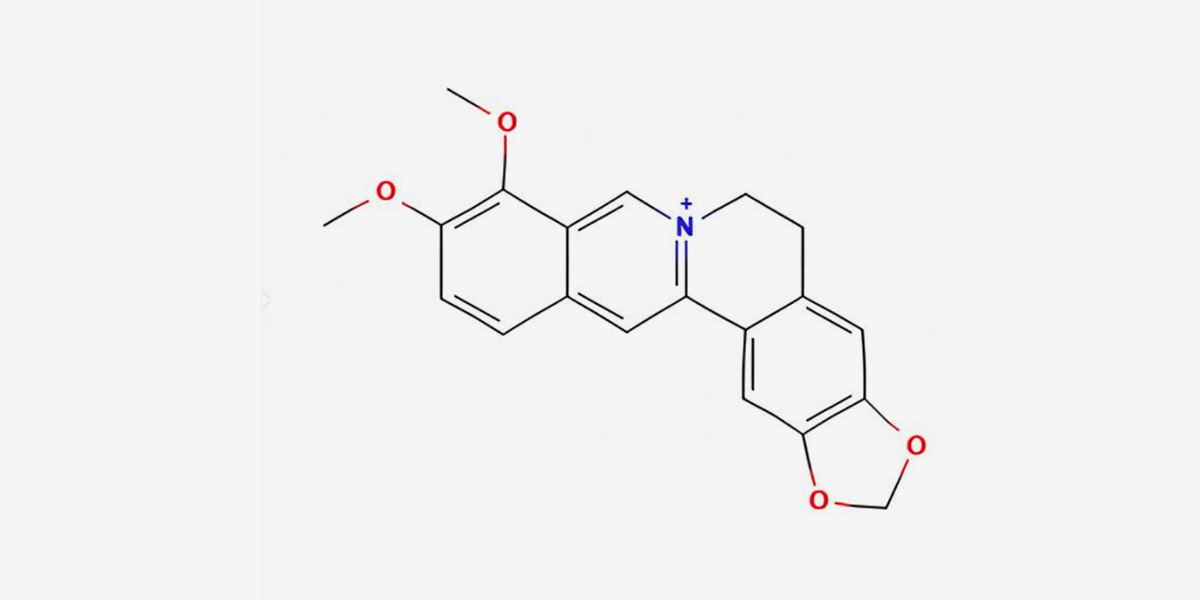
In recent years, Berberine has been positioned as a “natural metformin” or a plant-based alternative to GLP-1 medications. That comparison is convenient. But it dramatically underplays what Berberine actually does.
What Does Berberine Do at the Cellular Level?
Berberine activates AMPK (AMP-activated protein kinase)
Think of AMPK as your cellular fuel sensor. When activated, it tells your body to:
• Use glucose more efficiently
• Burn fat more effectively
• Reduce excess glucose production by the liver
• Improve mitochondrial energy output
• Calm down inflammatory pathways.
This is why berberine has such a wide range of applications. It improves blood sugar levels, gut health, and metabolic wellness.
Metabolic Health
Berberine has been shown to improve:
• HbA1c and fasting glucose
• Insulin resistance
• Triglycerides and LDL cholesterol
• Fatty liver markers
• Weight parameters via improved fat oxidation
It does not aggressively suppress appetite like GLP-1 drugs. Instead, it improves metabolic efficiency.
Cardiovascular Health
Berberine helps:
• Slow down artery clogging
• Reduce unhealthy cholesterol particles
• Improve blood vessel function
• Reduce oxidative damage inside blood vessels
In simple terms, it supports cleaner, more flexible arteries.
Reproductive Health
Berberine’s effects on insulin, inflammation and oxidative stress make it beneficial in improving:
• PCOS
• Fibroids
• Irregular cycles
• Metabolic infertility
• Endometrial dysfunction linked to insulin resistance
Hormones do not operate in isolation. When you correct metabolic signalling, reproductive hormones often improve too.
Cognitive Function
Berberine influences:
• Mitochondrial efficiency in brain cells
• Neuroinflammation
• Oxidative stress
• Dopamine signalling
Dopamine plays a key role in motivation, drive and reward processing. Early research suggests that berberine may influence dopamine pathways, which could affect focus, productivity, and mood.
Mental Health
Berberine has demonstrated antidepressant-like effects in preclinical and emerging human studies, largely through:
• Reducing inflammatory cytokines
• Improving insulin sensitivity
• Modulating dopamine and serotonin pathways
There is early evidence suggesting that metabolic correction may reduce the required dosage of antidepressants in some individuals. Any medication adjustments must be supervised by a physician.
Autoimmune Conditions
Many autoimmune conditions are associated with chronic inflammation, gut barrier dysfunction and microbial triggers.
Berberine has broad-spectrum antimicrobial, antiviral and anti-inflammatory properties. Research has explored its activity in viral replication models, including SARS-CoV-2 and HIV. These findings are preliminary but mechanistically relevant.

Gut Health
Berberine can:
• Reduce harmful microbial overgrowth
• Strengthen the intestinal barrier
• Influence short-chain fatty acid production
• Reduce gut-driven inflammation
Dosage and Practical Use
Most studies use 500 mg, two to three times daily with meals.
Total daily dose: 1000–1500 mg.
A lower dosage is recommended to start with in sensitive individuals.
Important considerations:
• Berberine significantly lowers blood sugar when combined with Diabetes medications.
• Berberine may interact with liver-metabolised medications such as statins, certain antidepressants, blood pressure medications and oral contraceptives.
• Mild gastrointestinal discomfort may occur initially in some individuals.
Hence, clinical supervision is recommended, especially for individuals on prescription medication.
Final Perspective
Berberine isn’t a substitute for lifestyle interventions.
But for individuals with insulin resistance, metabolic inflammation, or mental fatigue, it can play an essential role.
It supports the body at a cellular level, improving cellular energy and calming inflammatory signals.
That’s why it should be seen as more than just “natural metformin.”